An interview with Maria Lisogorskaya of Assemble on its driving foce and continual evolution
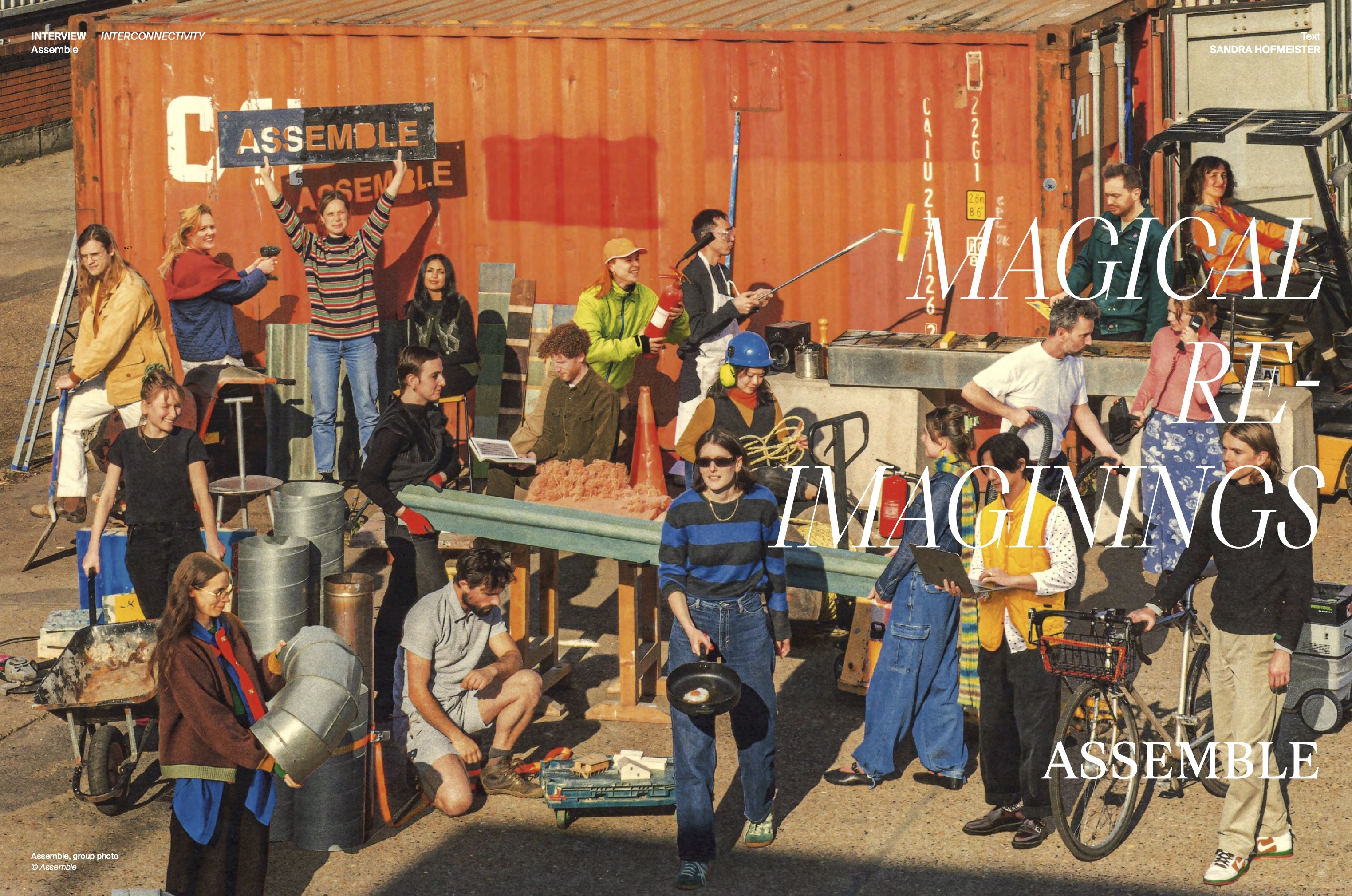
Since its outset some 15 years ago, Maria Lisogorskaya has been involved in Assemble, an organisation formed by graduates of the University of Cambridge that redefines architecture through collaboration, craft, and community. Involved in everything from buildings, artworks, furniture, and playgrounds to exhibitions and even business plans, it is safe to say that the typical boundaries of the profession are well surpassed. Exercising critical reflection, the aim of the collective is to make a positive impact on the environmental, social and economic challenges of our time.
Interview: Sandra Hofmeister
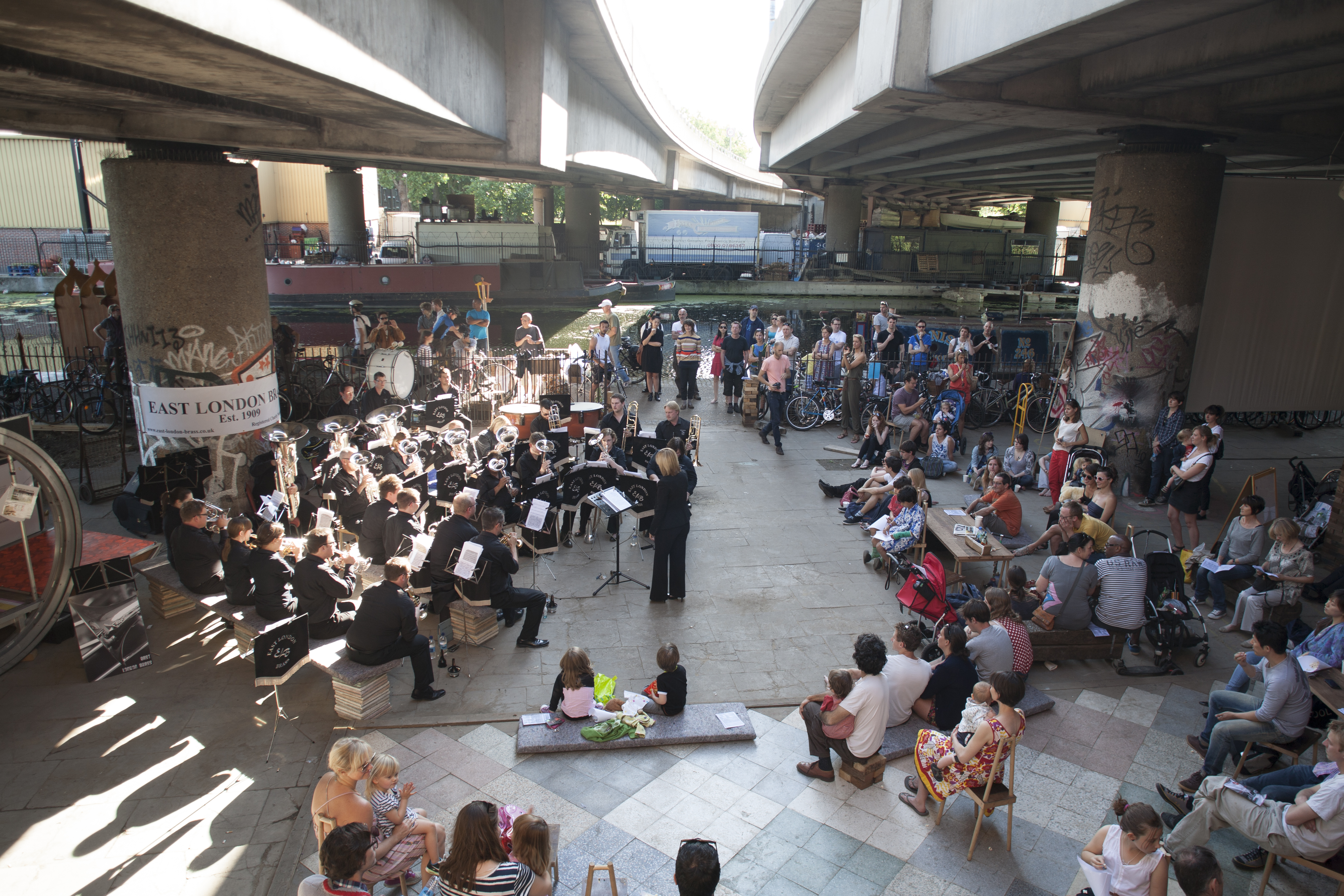
Folly for a Flyover, 2011, East London Brass Band, photo: Assemble
Sandra Hofmeister: Assemble is organised as a collective, but how does that work in practice?
Maria Lisogorskaya: We’ve evolved our structures many times over the years. Right now, we have 17 partners, a rotating management group, and external support. There’s an office manager, someone who oversees our studio spaces and creative workspace network, and several subgroups focusing on different areas. Some of us look for new work opportunities, while others handle financial or strategic planning. In a way, it’s actually quite traditional.
SH: Who makes the decisions?
ML: It depends. Project leaders handle design decisions in their meetings, while smaller operational things like managing calendars fall to the office manager. For major decisions, all partners come together and decide collectively.
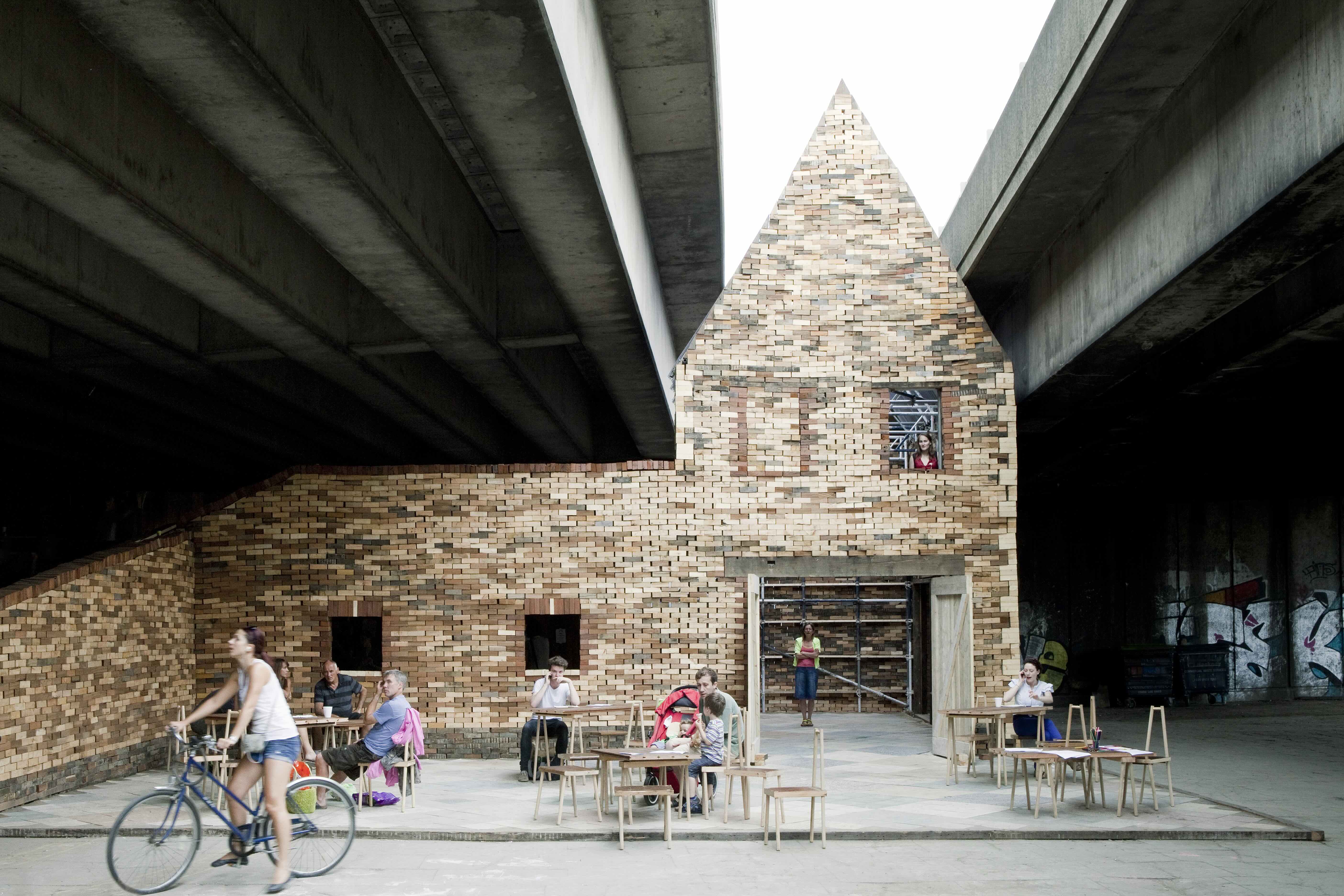
Folly for a Flyover, photo: David Vintiner
SH: In which ways has the collective changed since its beginnings?
ML: At the start, we were all running it together. Over time, we’ve each developed our own interests and specialisms — some people focus on particular project types, others on finances or finding clients. Life changes; people have families, acquire different needs, or simply have different energy levels. All this affects our work, we’re still figuring it out. It’s an evolving system rather than something fixed.
SH: How do you go about finding purpose as a group?
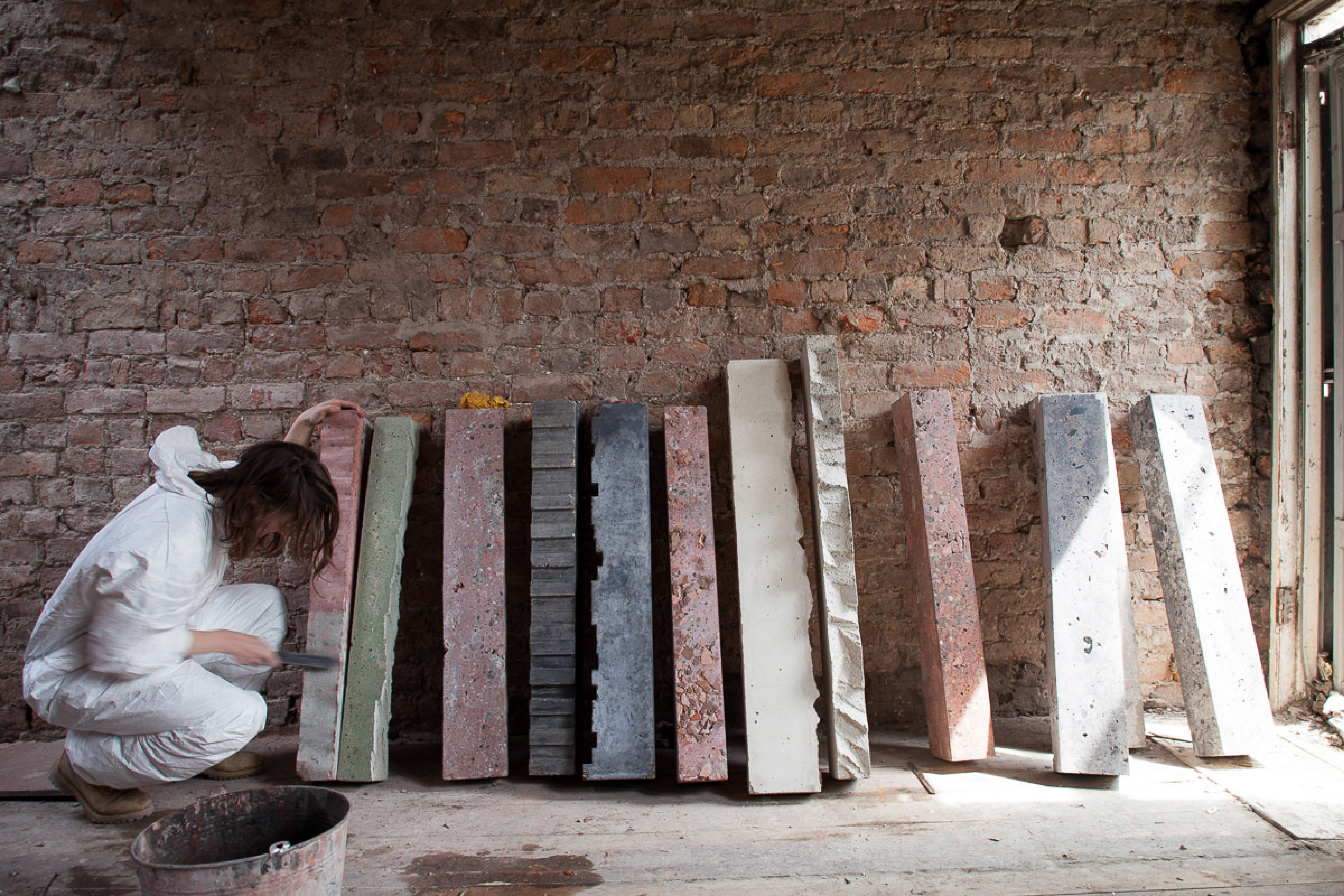
ML: Through projects and making. Production is central to what we do. Understanding how things are built, where materials come from, and how labour is organised grounds our work. We’re definitely less theoretical and more hands-on.
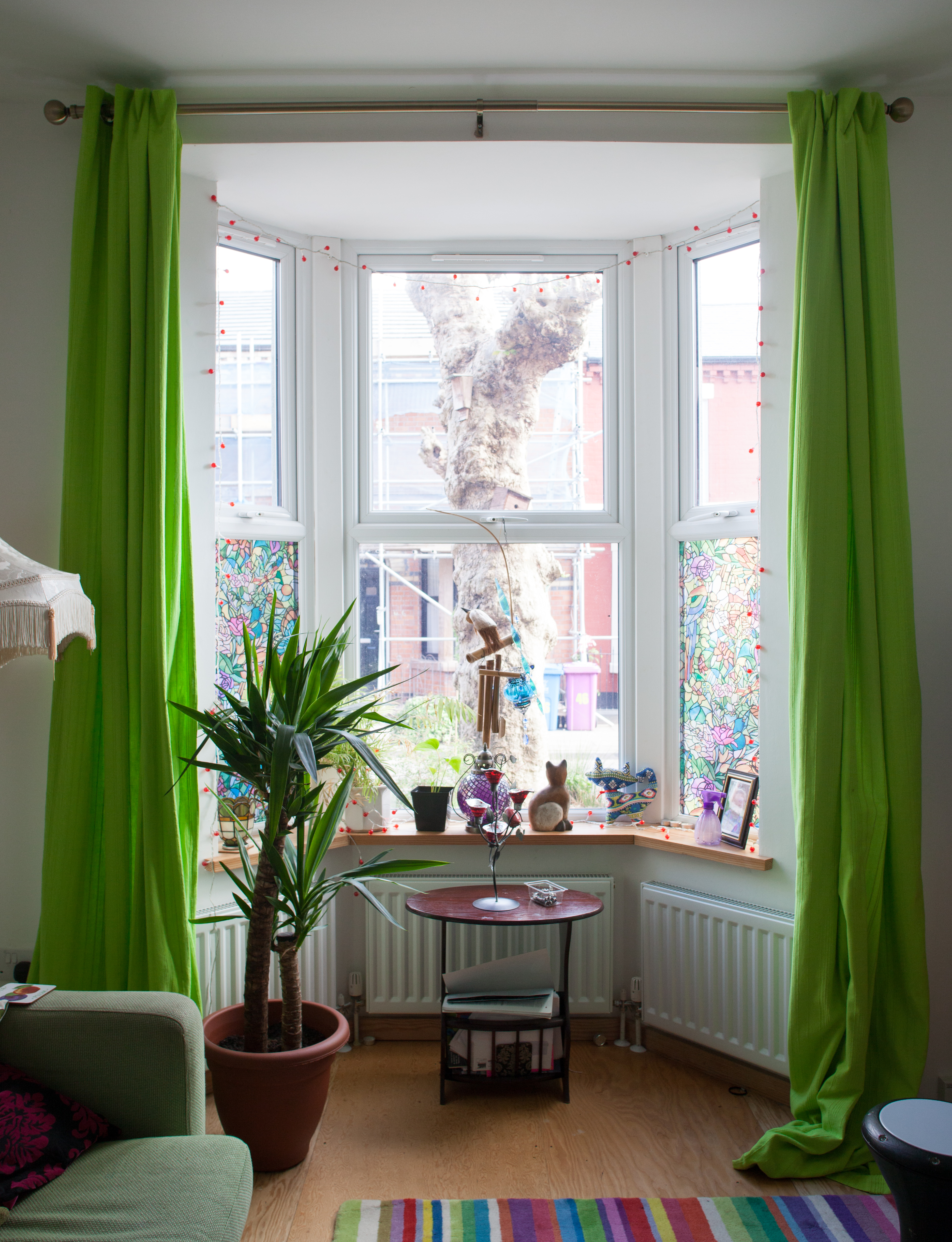
Granby Four Street, 10 Houses on Crains Street, completed and inhabited, photo: Assemble
SH: Many of your projects, like Folly for a Flyover are in Hackney and deal with neglected sites. What draws you to them?
ML: We like taking care of leftover spaces that have been overlooked. By involving people, we can turn them into something meaningful. That’s the exciting part of being an architect, reimagining what a place can be. We still want to approach sites with the creativity and curiosity we had as students. It’s all about the magic of reimagining a place and rethinking what it means.
SH: How did Granby Four Streets in Liverpool develop?
ML: It began in 2013 with several initial conversations. At a certain point we met with the Granby Four Streets Community Land Trust and started working together to create a plan for a series of small projects. We researched the existing houses to understand the condition of the building fabric; how much and for what purpose the buildings could be refurbished. We worked together with the Granby Four Streets CLT, to retain as many of the original houses as possible for people to live and work in again. The project developed step-by-step, over time. We had residencies there, and while we were on site we developed new projects in partnership with the residents and other artists, designers, and local collaborators, like Granby Workshop. That was set up while we were designing objects for the new homes, and then it evolved into a new social enterprise off the platform of the 2015 Turner Prize. Today the workshop is running on its own, independent of Assemble, which is really great. A recent project we became involved in there is a new building on the corner of Granby Street and Cairns Street, where a terraced house had been demolished. All in all, our work with the CLT is an ongoing, exciting journey. Let’s see what happens next.
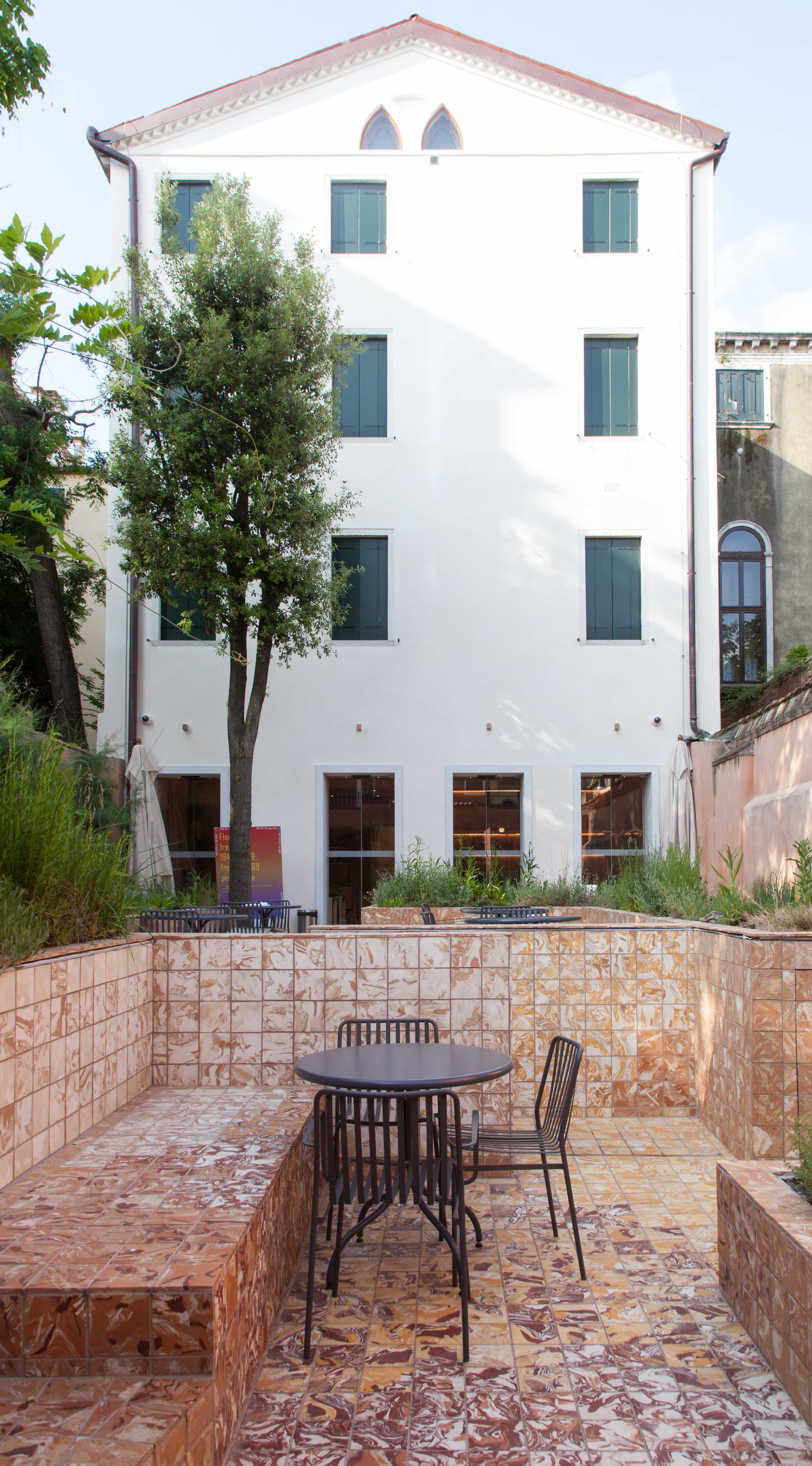
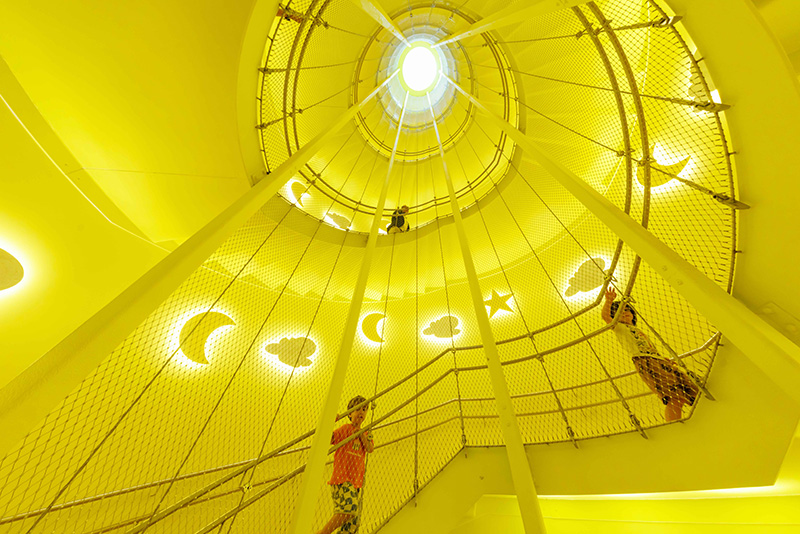
Laguna Viva, photo: Assemble
SH: In what way does your hands-on approach to architecture shape your philosophy?
ML: Starting with our very first projects, we realised architecture is about much more than drawing. It connects back to the tradition of making; architecture as craft, often done without architects, in a way that we sometimes imagine the profession being now. It means that architecture is a way of building that has been developed over time by cultural tradition. In parallel, we also look at modern ways of building and the people who do the construction work. We try to find out how buildings are made by observing them in real life. This is not the usual idea of what an architect does.
Read the full article in DAMn 91, Interconnectivity and Stweardship, November 2025